
How to Buy Russian Oil Asset Reserve (ROAR) Crypto: 2026 Step-by-Step Guide

A memecoin that borrows the language of sovereign wealth and energy markets does not appear every day. Russian Oil Asset Reserve (ROAR) does exactly that. It launched on Solana in April 2026 and quickly drew attention from traders looking for the next narrative-driven opportunity.
But before you learn how to buy Russian Oil Asset Reserve (ROAR) crypto, it is important to understand what this token actually is. This guide will walk you through everything you need to know, from the basics of ROAR to a complete step-by-step buying process, plus the risks you should never ignore.
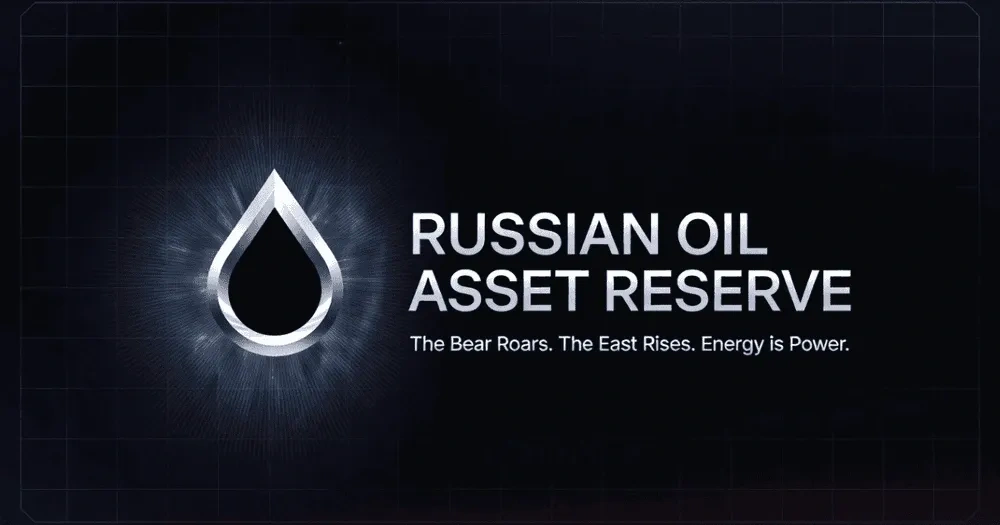
What Is Russian Oil Asset Reserve (ROAR)?
Russian Oil Asset Reserve (ROAR) is a Solana-based meme coin built around an energy and geopolitical narrative. It uses Solana’s Token-2022 standard and has a fixed maximum supply of 1 billion tokens with 6 decimal precision. The mint authority has been revoked, which means the total supply cannot be increased after deployment.
Despite its name, ROAR does not represent ownership of oil reserves or any form of tokenized exposure to physical commodities. There is no audited backing, custodial infrastructure, or verifiable connection to Russian energy assets. Instead, the project relies on narrative positioning, referencing global oil markets and geopolitical influence to attract attention.
In practice, this places Russian Oil Asset Reserve (ROAR) crypto in the same category as other narrative-driven tokens where value is driven by perception rather than underlying assets.
Where Can You Buy Russian Oil Asset Reserve (ROAR)?
Before diving into how to buy Russian Oil Asset Reserve (ROAR), you need to know where it is available. ROAR is not listed on major centralized exchanges like Binance or Coinbase. Trading takes place primarily on Solana-based decentralized exchanges (DEXs).
The most active trading environment has been on Meteora, with ROAR typically paired against USDC or SOL. Additional routing is available through aggregators like Jupiter. Liquidity remains limited, often in the tens of thousands of dollars, which means trade size can have a direct impact on price execution.
How to Buy Russian Oil Asset Reserve (ROAR) Crypto: Step-by-Step
How to buy Russian Oil Asset Reserve (ROAR) crypto is different from purchasing large-cap cryptocurrencies like Bitcoin or Ethereum. Since ROAR trades primarily within the Solana ecosystem, the process involves using a non-custodial wallet and interacting with decentralized exchanges.
Follow these seven steps carefully.
Step 1: Set Up a Solana Wallet
Download and install a Solana-compatible wallet. Create a new wallet and store your recovery phrase securely offline. This phrase is essential for restoring access if your device is lost or compromised. Never share it with anyone.
Step 2: Buy SOL or USDC on a Centralized Exchange
To buy ROAR, you need SOL or USDC as the base asset for trading. Purchase these tokens on a centralized exchange such as WEEX. SOL is often the most convenient choice because it is the native token of the Solana network.
Step 3: Transfer Funds to Your Solana Wallet
Withdraw your SOL or USDC from the exchange to your Solana wallet address. Confirm that the Solana network is selected during withdrawal to avoid sending funds to the wrong chain. Double-check the wallet address before confirming the transaction.
Step 4: Connect Your Wallet to a Decentralized Exchange
Access a Solana DEX such as Meteora or use an aggregator like Jupiter. Click “Connect Wallet” and select your wallet provider. Once connected, your token balance will be visible in the interface.
Step 5: Find the Correct ROAR Token Address
Search for ROAR within the DEX interface. Because meme coins often have copycat tokens, it is critical to verify that you are selecting the correct asset. Use the official contract address from trusted sources.
Official ROAR Token Address: RoARruzbesVGAZgCzSoQCEdyVWytvzLbyNaxXBF7dnF
Always verify this address before any transaction. Fake tokens with similar names are common.
Step 6: Swap SOL or USDC for ROAR
Enter the amount of SOL or USDC you want to trade. The platform will display an estimated amount of ROAR you will receive. Due to limited liquidity, set slippage tolerance appropriately, typically between 1 percent and 5 percent. Confirm the swap and approve the transaction in your wallet.
Step 7: Confirm and Store Your Tokens
After the transaction is completed, ROAR will appear in your wallet. If it does not display automatically, you can add it manually using the contract address. You can keep the tokens in your wallet or move them to a more secure setup such as a hardware wallet for long-term storage.
Basic Safety Considerations When You Buy ROAR
Before you complete any transaction, keep these safety tips in mind.
- Verify the token contract address before every transaction to avoid fake listings
- Start with a small test trade before committing larger amounts
- Be mindful of slippage and price impact in low-liquidity pools
- Use only trusted DEX interfaces and avoid unknown links
- Never share your wallet recovery phrase with anyone
- Double-check the network (Solana) when withdrawing from centralized exchanges
Should I Buy Russian Oil Asset Reserve (ROAR) Crypto
Understanding the risks is just as important as knowing how to buy ROAR crypto. ROAR has no verified backing, no revenue model, and no clear utility. Its price depends almost entirely on market sentiment and liquidity. Despite its name, ROAR is not linked to real oil reserves or any physical commodity.
Low liquidity and high volatility are major concerns. Limited pool depth can lead to high slippage and difficulty exiting positions. Prices can rise or fall rapidly, and sharp drawdowns are common. The lack of a widely recognized audit and an anonymous team add further uncertainty.
Russian-themed branding may trigger regulatory scrutiny on some platforms. Price is driven by hype cycles rather than fundamentals, and sentiment can change quickly. These factors make ROAR suitable only for high-risk, speculative exposure, not long-term investment.
Is ROAR a Good Investment?
ROAR does not meet the criteria of a traditional investment asset. It has no verified linkage to real-world oil reserves, no revenue-generating mechanism, and no clear utility within a broader protocol ecosystem. While its branding suggests exposure to energy markets, there is no evidence supporting that claim.
From a risk perspective, ROAR operates in the high-volatility, micro-cap segment of the market. Liquidity is limited and concentrated in a small number of decentralized exchange pools. The absence of a publicly known team adds another layer of uncertainty.
In practice, ROAR behaves more like a speculative trading instrument than a long-term investment. Outcomes depend heavily on timing and market momentum rather than underlying fundamentals.
Conclusion
Russian Oil Asset Reserve (ROAR) is a reminder of how powerful narrative can be in crypto markets. A name that suggests sovereign wealth and energy dominance can attract attention quickly. But in practice, the token functions like any other speculative memecoin on Solana. It offers no direct link to oil reserves or real-world assets.
For market participants, the key is not just knowing how to buy Russian Oil Asset Reserve (ROAR) crypto, but understanding what it represents. Access is straightforward through wallets and decentralized exchanges, yet the risks are equally clear. Limited liquidity, sharp volatility, and the absence of fundamentals mean outcomes can change quickly.
Approach ROAR with caution, clear expectations, and disciplined risk management. That is essential in a market where narrative often moves faster than reality.
Ready to trade? WEEX offers zero fees, instant execution, and the security you need. Sign up on WEEX Now and Start Trading!
FAQ
What is Russian Oil Asset Reserve (ROAR)?
ROAR is a Solana-based meme coin that launched in April 2026. It uses an energy and geopolitical narrative but has no verified backing from physical oil reserves or any government entity.
Where can I buy Russian Oil Asset Reserve (ROAR) crypto?
ROAR is not listed on major centralized exchanges. It trades primarily on Solana-based decentralized exchanges like Meteora, with additional routing available through Jupiter aggregator.
What is the official ROAR contract address?
The official contract address is: RoARruzbesVGAZgCzSoQCEdyVWytvzLbyNaxXBF7dnF. Always verify this address before trading to avoid fake tokens.
Is ROAR backed by real oil reserves?
No. Despite its name, ROAR has no verified linkage to physical oil reserves, custodial infrastructure, or Russian energy assets. The backing is narrative-based only.
Is ROAR a good long-term investment?
For most investors, no. ROAR has no revenue model, no clear utility, and high volatility. It is best understood as a speculative trading instrument rather than a long-term investment.
You may also like
What Is United Nations Oil Supply (UNOS) Crypto? 5 Minutes To Know UNOS Coin
What is United Nations Oil Supply (UNOS) crypto? Learn how UNOS works, Solana tokenomics, official disclaimers, current market data, risks, and what buyers should verify before trading.

WBTC vs BTC: Key Differences, Risks, and Which One to Choose
Bitcoin remains the cornerstone of cryptocurrency, offering unmatched security and decentralization, but it falls short when it comes…
WBTC vs BTC: Is WBTC Better Than BTC in 2026?
Wrapped Bitcoin (WBTC) and Bitcoin (BTC) represent two sides of the same coin in the crypto world, but…
冲鸭 USDT Pair Debuts on WEEX for 冲鸭 (冲鸭) Coin
WEEX Exchange proudly lists 冲鸭 (冲鸭) coin, a project backed by a Binance co-founder, with trading opening on…

What is Middle Eastern Gas Reserve (MEGR) Coin: Comprehensive Guide for Beginners
Middle Eastern Gas Reserve (MEGR) is a cryptocurrency token on the Solana blockchain that claims to represent beneficiary…
BTCB vs BTC: Which Is Safer, Faster, and More Profitable?
When diving into the world of cryptocurrencies, many newcomers grapple with the choice between native Bitcoin (BTC) and…
ROAF Price Prediction: Is Growth Still Possible in 2026?
As we head into 2026, ROAF remains a topic of intrigue among crypto traders, often tied to discussions…
What is 冲鸭 (冲鸭) Coin? Everything You Need to Know
冲鸭 (冲鸭) Coin is a newly launched cryptocurrency token released by a Binance co-founder, designed to power an…
Is MEGR Token the Next 10X Crypto or Just Hype?
The Middle Eastern Gas Reserve (MEGR) token has sparked curiosity in the crypto world by claiming to bridge…
What is RogueAI (ROGUEAI) Coin: A Comprehensive Guide to This AI-Powered Meme Token
RogueAI (ROGUEAI) is an innovative Base-native meme and game token that taps into a rogue AI theme, letting…
What is Mirror (MIRRORBASE) Coin? Everything You Need to Know
Mirror (MIRRORBASE) is a groundbreaking cryptocurrency designed to enable perfect asset mirroring on the blockchain, allowing users to…
BTCB vs BTC: Full Guide to Bitcoin BEP2, Risks & Use Cases
When comparing BTCB vs BTC, you’re essentially looking at native Bitcoin against its wrapped version on the Binance…
MEGR Token Price Prediction & Forecasts for May 2026: Overbought Signals Point to Potential Pullback
MEGR Token has been turning heads in the crypto space after a massive “god candle” rally that spiked…
冲鸭 (冲鸭) Price Prediction & Forecasts for May 2026: Could It Surge Amid Super App Ambitions?
As of May 6, 2026, the current price of 冲鸭 (冲鸭) stands at $0.85, with a 24-hour high…

RogueAI (ROGUEAI) Price Prediction & Forecasts for May 2026: Volume Surges 219% – Can It Maintain the Momentum?
As of May 6, 2026, the current price of RogueAI (ROGUEAI) stands at $0.045, with a 24-hour high…
Mirror (MIRRORBASE) Price Prediction & Forecasts for May 2026: Could the Mirror Revolution Spark a 50% Surge?
As of May 6, 2026, the current price of Mirror (MIRRORBASE) stands at $0.85, according to data from…
PEPE vs BONK: Which Meme Coin Is Leading?
There’s no clear winner—each leads in different ways. PEPE benefits from deeper liquidity and stronger market momentum, while BONK gains from ecosystem integration and community-driven growth.
If capital and trading activity dominate, PEPE leads. If narrative and adoption drive the cycle, BONK has the edge.
ARB vs OP : Which Layer 2 Will Dominate in 2026?
There likely won’t be a single winner by 2026. ARB leads in liquidity and DeFi depth, while OP focuses on ecosystem expansion through its Superchain strategy.
If the market favors capital efficiency, ARB has the edge. If network growth and narrative dominate, OP could pull ahead.
What Is United Nations Oil Supply (UNOS) Crypto? 5 Minutes To Know UNOS Coin
What is United Nations Oil Supply (UNOS) crypto? Learn how UNOS works, Solana tokenomics, official disclaimers, current market data, risks, and what buyers should verify before trading.
WBTC vs BTC: Key Differences, Risks, and Which One to Choose
Bitcoin remains the cornerstone of cryptocurrency, offering unmatched security and decentralization, but it falls short when it comes…
WBTC vs BTC: Is WBTC Better Than BTC in 2026?
Wrapped Bitcoin (WBTC) and Bitcoin (BTC) represent two sides of the same coin in the crypto world, but…
冲鸭 USDT Pair Debuts on WEEX for 冲鸭 (冲鸭) Coin
WEEX Exchange proudly lists 冲鸭 (冲鸭) coin, a project backed by a Binance co-founder, with trading opening on…
What is Middle Eastern Gas Reserve (MEGR) Coin: Comprehensive Guide for Beginners
Middle Eastern Gas Reserve (MEGR) is a cryptocurrency token on the Solana blockchain that claims to represent beneficiary…
BTCB vs BTC: Which Is Safer, Faster, and More Profitable?
When diving into the world of cryptocurrencies, many newcomers grapple with the choice between native Bitcoin (BTC) and…


