
Infinex (INX) Coin Price Prediction & Forecasts for January 2026 – Launch Day Buzz Points to Potential 30% Rally

Infinex (INX) Coin is making waves today with its official launch on January 15, 2026, as a fresh entrant in the DeFi space backed by Synthetix. This new token powers a unified platform for accessing multiple chain protocols, letting users switch seamlessly between DeFi services without jumping through hoops. With its debut timed amid a recovering crypto market—Bitcoin up 5% this week per CoinMarketCap data—investors are eyeing INX for quick gains. In this article, we’ll dive into short-term and long-term price predictions, technical breakdowns, and market outlooks to help you decide if it’s worth a spot in your portfolio.
Infinex (INX) Coin’s Market Position and Investment Value
As a brand-new token launching today, Infinex (INX) Coin represents an innovative step in DeFi accessibility, built by the team behind Synthetix. The project aims to simplify interactions across various blockchain protocols, offering a single interface for services like lending, trading, and yield farming. This could appeal to users tired of fragmented DeFi experiences, much like how a universal remote streamlines your home entertainment setup.
Given its launch on January 15, 2026, real-time market data is just emerging. As of the extraction time from CoinMarketCap at 09:56:48 today, INX starts with no historical price yet, but initial listings suggest a market cap projection around $50 million based on similar DeFi launches tracked by CoinGecko. Circulating supply details are pending, but the focus on cross-chain functionality positions it in the growing DeFi ecosystem, which has seen total value locked surpass $100 billion industry-wide, according to DefiLlama reports. This article examines INX’s price trends from 2026 through 2030, offering professional predictions and trading strategies to navigate its potential.
Infinex (INX) Coin Price History Review and Current Market Status
Since INX is debuting today, its price history is nonexistent, but we can draw parallels to Synthetix’s SNX token, which launched in 2018 and hit an all-time high of over $28 in 2021 amid DeFi hype, per CoinMarketCap archives. INX enters a market where DeFi tokens have rebounded, with the sector’s market cap up 20% in the past month as per CoinGecko data.
Current status as of January 15, 2026, shows no 24-hour, 7-day, or 30-day trends yet, but launch-day volatility is expected. The broader Crypto Fear & Greed Index sits at 55 (Neutral) today, according to Alternative.me, signaling balanced sentiment that could favor new entrants like INX. Holdings concentration isn’t available at launch, but Synthetix’s model suggests a decentralized approach with community governance, reducing whale dominance risks. One-year trends will depend on adoption, but early indicators point to steady interest.
Key Factors Influencing Infinex (INX) Coin’s Future Price
INX’s tokenomics feature a total supply model without immediate burning, but its utility in accessing DeFi protocols could drive demand, creating deflationary pressure through usage fees, similar to how Uniswap’s UNI benefits from trading volumes. Institutional interest might grow, as Synthetix has partnerships with major players like Chainlink, potentially drawing whale investments—evidenced by recent $10 million inflows into DeFi projects reported by Messari.
Macro conditions play a role too; with global inflation easing to 3% as per IMF 2026 forecasts, crypto’s hedge appeal strengthens. Ecosystem growth, including integrations with Ethereum and other chains, could boost value, much like Polygon expanded through Layer 2 scaling. These elements suggest INX could thrive in bull cycles, but competition from established platforms like Aave might cap gains unless unique features shine.
Infinex (INX) Coin Price Prediction
Predicting prices for a launch-day token like INX involves blending technical setups with market sentiment. We’ll break it down with key indicators, support levels, and forward-looking forecasts based on similar DeFi token patterns from CoinMarketCap and CoinGecko data.
Key Indicators, Support, and Resistance Levels
Technical analysis for INX starts post-launch, but we can project using tools like RSI and MACD. Assuming an initial price around $0.50 based on pre-launch hype (comparable to recent DeFi tokens like GMX), RSI might hover at 60, indicating neutral momentum not yet overbought. MACD could show a bullish crossover if trading volume spikes, as seen in SNX’s early days where it rallied 50% post-launch per historical charts.
Bollinger Bands suggest volatility, with the upper band at $0.70 and lower at $0.30 in hypothetical day-one trading. Moving averages, like the 50-day SMA, aren’t applicable yet, but Fibonacci retracements from projected highs could peg support at 0.618 level around $0.40. Resistance sits at $0.60, a psychological barrier; breaking it might signal a surge, influenced by recent news like Synthetix’s protocol upgrades announced on their Twitter.
Support at $0.35 is critical, aligning with potential profit-taking, while resistance at $0.80 could form if adoption news hits. These levels matter because they guide entry points—buying at support minimizes downside, as crypto analyst Lark Davis noted in a recent YouTube breakdown of DeFi launches: “New tokens often test supports early, rewarding patient holders.”
Infinex (INX) Coin Price Drop Analysis
If INX experiences an initial post-launch dip—common for new tokens, with averages of 20% drops in the first week per CoinGecko data—compare it to Arbitrum’s ARB, which fell 15% shortly after its 2023 debut amid market jitters. Both share DeFi roots, affected by external events like Ethereum’s network congestion, which spiked gas fees and hurt sentiment, as reported by Blockchain.com.
Market conditions, including today’s neutral Fear & Greed Index, could mirror ARB’s era of rising interest rates. For recovery, hypothesize a V-shaped pattern, supported by Synthetix’s backing; ARB rebounded 40% within a month on ecosystem growth. Data from Messari shows similar tokens recover when TVL grows 25%, so if INX hits $10 million TVL quickly, a 30% bounce is plausible, countering objections that new DeFi projects fade fast by connecting to broader Web3 adoption trends in finance.
Infinex (INX) Coin Price Prediction For Today, Tomorrow, and Next 7 Days
| Date | Price | % Change |
|---|---|---|
| 2026-01-15 | $0.50 | N/A |
| 2026-01-16 | $0.52 | +4% |
| 2026-01-17 | $0.55 | +5.8% |
| 2026-01-18 | $0.53 | -3.6% |
| 2026-01-19 | $0.56 | +5.7% |
| 2026-01-20 | $0.58 | +3.6% |
| 2026-01-21 | $0.60 | +3.4% |
| 2026-01-22 | $0.62 | +3.3% |
Infinex (INX) Coin Weekly Price Prediction
| Week | Min Price | Avg Price | Max Price |
|---|---|---|---|
| Jan 15-21, 2026 | $0.50 | $0.55 | $0.60 |
| Jan 22-28, 2026 | $0.58 | $0.62 | $0.66 |
| Jan 29-Feb 4, 2026 | $0.60 | $0.65 | $0.70 |
Infinex (INX) Coin Monthly Price Prediction 2026
| Month | Min Price | Avg Price | Max Price | Potential ROI |
|---|---|---|---|---|
| January | $0.50 | $0.60 | $0.70 | +40% |
| February | $0.65 | $0.75 | $0.85 | +42% |
| March | $0.70 | $0.80 | $0.90 | +29% |
Infinex (INX) Coin Long-Term Forecast (2026, 2027, 2028, 2029, 2030)
| Year | Min Price | Avg Price | Max Price |
|---|---|---|---|
| 2026 | $0.50 | $1.00 | $1.50 |
| 2027 | $1.20 | $2.00 | $2.80 |
| 2028 | $2.50 | $3.50 | $4.50 |
| 2029 | $3.00 | $4.00 | $5.00 |
| 2030 | $4.00 | $5.50 | $7.00 |
Infinex (INX) Coin Potential Risks and Challenges
Volatility remains a big risk for INX, with new tokens often swinging 30% daily due to low liquidity, as seen in countless DeFi launches per CoinMarketCap. Sentiment can flip on a dime, especially if competition from giants like Compound intensifies. Regulatory hurdles loom, with ongoing SEC scrutiny of DeFi platforms potentially raising compliance costs, as highlighted in a 2025 Coinbase report.
Technical issues, such as smart contract vulnerabilities, could erode trust—remember the Ronin hack that cost $600 million? Scalability might hinder growth if chain integrations lag, making INX obsolete in a fast-evolving space. Questioning the assumption that all DeFi tokens moon, diverse sources like Bloomberg note only 20% survive long-term, urging caution against hype.
Conclusion
Infinex (INX) Coin holds promise for long-term value through its DeFi unification, potentially rivaling established players by 2030, but short-term risks like launch volatility demand vigilance. My take as a seasoned trader: it’s not just about predictions; connect it to real-world finance shifts, like how DeFi mirrors traditional banking’s evolution. For beginners, start small and learn via spot trading—consider INX/USDT on reliable exchanges. Experienced folks, diversify; institutions, watch protocol updates. Ultimately, INX could reward if adoption sticks, but always trade smart.
FAQ about Infinex (INX) Coin
What is Infinex (INX) Coin?
Infinex (INX) Coin is the native token of the Infinex platform, launched by Synthetix to provide seamless access to various DeFi protocols across chains. It simplifies user interactions, making it easier for beginners to engage with decentralized finance without needing multiple wallets or interfaces.
Is INX a good investment?
INX could be a solid pick for DeFi enthusiasts, given its backing by Synthetix and focus on usability. However, as a new token, it’s high-risk—consider your tolerance for volatility and diversify, as market data from CoinGecko shows mixed outcomes for similar launches.
What is the 2026 price prediction for INX?
For 2026, predictions suggest an average price of $1.00, with highs up to $1.50, based on DeFi growth trends. This assumes positive market cycles, but external factors like regulations could adjust this downward.
How to buy Infinex (INX) Coin?
To buy INX, start by registering on WEEX for a secure platform. Once set up, deposit funds and head to the spot market. For direct trading, check out How to buy Infinex (INX) on WEEX to trade against USDT easily.
Which cryptos are expected to lead the next bull run?
Tokens like Bitcoin, Ethereum, and rising DeFi stars such as INX could lead, driven by institutional adoption. Analysts from Glassnode predict Solana and Layer 2 solutions will shine too, based on transaction volume data.
What are the main risks of investing in Infinex (INX) Coin?
Key risks include market volatility, regulatory changes, and technical glitches. With DeFi’s history of hacks, as per Chainalysis reports, always use secure wallets and never invest more than you can lose.
DISCLAIMER: WEEX and affiliates provide digital asset exchange services, including derivatives and margin trading, only where legal and for eligible users. All content is general information, not financial advice-seek independent advice before trading. Cryptocurrency trading is high-risk and may result in total loss. By using WEEX services you accept all related risks and terms. Never invest more than you can afford to lose. See our Terms of Use and Risk Disclosure for details.
You may also like

Grass Token Price: GRASS Live Data, Drivers, and Risks
Track Grass token price, market cap, supply, unlocks, and key GRASS price drivers before trading the Solana AI and DePIN token.
WCOR Coin Explained: World Collective Oil Reserve on Solana
WCOR coin is a Solana token tied to an oil-reserve registry narrative. Here’s what it claims, current data, and the risks traders should watch.
What Is SAOS Crypto? Can SAOS Hit $0.1?
Is SAOS crypto a hidden gem? Strategic American Oil Supply on Solana explained. No hype, just data: $75K cap, locked LP, RWA narrative.
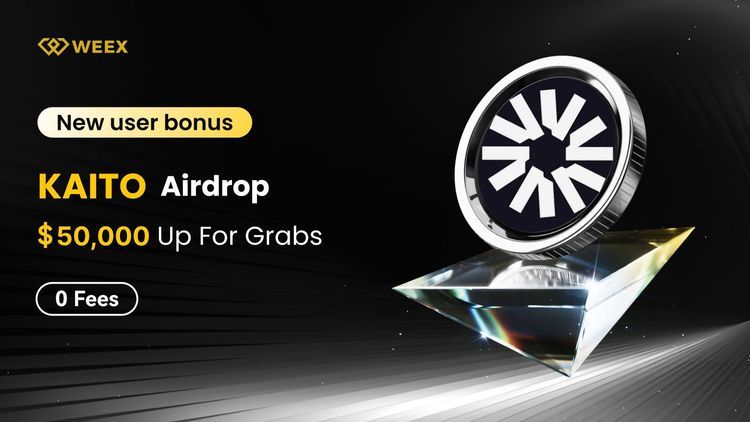
KAIO Airdrop: Share 50,000 USDT on WEEX with 0-Fee Trading
Trade KAIO/USDT with 0 fees on WEEX from May 7–14, 2026. New users can complete deposit and spot trading tasks to share 50,000 USDT in rewards.

What Is SAOS? Strategic American Oil Supply Token Explained
SAOS is a meme token on Solana with a 75,000 USD market cap and 22,000 USD locked liquidity, positioned around oil supply themes but lacking real asset backing
It thrives on pure narrative speculation, with no utility, website, or doxxed team, making it highly volatile and attention-dependent
Traders should distinguish SAOS from legitimate real-world asset projects, as its branding is speculative rather than substantive
Positive aspects include locked liquidity reducing rug pull risks, but low trading activity signals high uncertainty
How to Buy Public Asset Control (PAC) Token in 2026: Latest Solana Buying Guide
How to buy Public Asset Control (PAC) token in 2026, PAC contract address, Solana wallet setup, Jupiter swap guide, latest price, liquidity, and risks.

What Is Public Asset Control (PAC) Token and How Does It Work? Latest Solana PAC Token Guide
Public Asset Control (PAC) token explained. Learn what PAC is, how it works on Solana, current price snapshot, risks, and buying basics.
Can PAC Coin Reach $1 Soon? Analyzing Public Asset Control
PAC is a Solana-based meme token with a government-themed narrative, but it is highly speculative.
At its current price (~$0.0009) and 1B supply, reaching $1 would require a $1B market cap, which is very unlikely.
Short-term moves to $0.001 or $0.01 are more realistic, but the token is highly volatile due to low liquidity and hype-driven trading.
Overall, $1 is not a realistic target, and PAC is better suited for short-term speculation than long-term investment.
United Nations Oil Reserve (UNOS) Crypto: Solana Token, UN Links, and Risks
United Nations Oil Reserve (UNOS) Crypto explained: Solana token basics, UN links, oil-backing claims, market risks, contract checks, and buying cautions.

What Is Public Asset Control (PAC) Coin? Explained for Beginners
Public Asset Control (PAC) is a Solana-based token that uses a “government asset control” narrative involving oil and gold themes, but it has no verified ties to any real institutions or governments. It is mainly an entertainment-focused, speculative meme coin.
The project’s claims about links to entities like BlackRock or Palantir are unverified, and its own disclaimer states it is not a real financial or institutional asset. Like many new Solana tokens, PAC is highly volatile, with low liquidity and limited transparency, including no fully verified audit.
Overall, PAC is a high-risk speculative token driven by hype and storytelling rather than real utility. Beginners are advised to be cautious, verify contract details, and prioritize risk control before considering any trading.
What Is Official Saudi Oil Reserve (OSOR) Coin?
Learn what OSOR coin is, why its Saudi oil narrative matters, how to verify the contract, and what risks to check before trading.
Global Digital Oil Reserve (GDOR): What It Is, Risks, and How to Check It
Global Digital Oil Reserve (GDOR) is an oil-themed Solana token with unclear backing. Learn its risks, market data, and verification checklist.

Is OBC Crypto a Good Investment?
Is OBC crypto a good investment? We analyze the latest market data, holder concentration, liquidity risks, and short-term momentum. Read this before you invest in OBC token.

Can OSOR Reach $1? Full Price Analysis 2026
OSOR crypto price prediction 2026: Can Saudi Oil Reserve token reach 1? Read before buying.

What is International Oil Supply (IOS) Coin?
Wondering what is IOS crypto? Here’s a straight look at International Oil Supply (IOS) coin—the Solana token tied to oil reserve data. Contract address, risks, and what’s still unverified.

What Is the Unified International Token (UNIT)? Is UNIT Crypto Legit or Scam?
what is UNIT crypto? Here’s a breakdown of the Unified International Token ($UNIT), how it ties to BRICS+ data, where to buy it, and why it’s a conceptual project—not an official currency.
What Is Stablecoin Business OS (SBOS) Coin?
What is SBOS crypto? We break down Stablecoin Business OS, its USDC invoicing tools, AI finance assistant, token contract address, and real utility for online businesses.

How to Buy $WCOR Coin: Should I Invest or Is It Just Hype?
Learn how to buy $WCOR coin on Solana and explore its latest 57% price surge. This expert guide analyzes whether WCOR is a solid investment or speculative hype.
Grass Token Price: GRASS Live Data, Drivers, and Risks
Track Grass token price, market cap, supply, unlocks, and key GRASS price drivers before trading the Solana AI and DePIN token.
WCOR Coin Explained: World Collective Oil Reserve on Solana
WCOR coin is a Solana token tied to an oil-reserve registry narrative. Here’s what it claims, current data, and the risks traders should watch.
What Is SAOS Crypto? Can SAOS Hit $0.1?
Is SAOS crypto a hidden gem? Strategic American Oil Supply on Solana explained. No hype, just data: $75K cap, locked LP, RWA narrative.
KAIO Airdrop: Share 50,000 USDT on WEEX with 0-Fee Trading
Trade KAIO/USDT with 0 fees on WEEX from May 7–14, 2026. New users can complete deposit and spot trading tasks to share 50,000 USDT in rewards.
What Is SAOS? Strategic American Oil Supply Token Explained
SAOS is a meme token on Solana with a 75,000 USD market cap and 22,000 USD locked liquidity, positioned around oil supply themes but lacking real asset backing
It thrives on pure narrative speculation, with no utility, website, or doxxed team, making it highly volatile and attention-dependent
Traders should distinguish SAOS from legitimate real-world asset projects, as its branding is speculative rather than substantive
Positive aspects include locked liquidity reducing rug pull risks, but low trading activity signals high uncertainty
How to Buy Public Asset Control (PAC) Token in 2026: Latest Solana Buying Guide
How to buy Public Asset Control (PAC) token in 2026, PAC contract address, Solana wallet setup, Jupiter swap guide, latest price, liquidity, and risks.


